

Eat Local. Live Wholesome. Cherish Traditions.
Embracing sustainability in your garden not only nurtures the environment but also enhances the overall well-being of your plants. Here are eight diverse practices that can transform your garden into a more sustainable and eco-friendly space.
Use Less Energy
Reducing your garden’s energy consumption is a crucial step toward sustainability. Explore alternative methods for powering garden tools, such as solar or manual options. This shift not only minimizes your environmental footprint but also adds an element of self-sufficiency to your gardening routine.
Minimize Fertilizer Use
Consider adopting a minimalist approach to fertilizers. Instead of relying on chemical-heavy options, explore organic alternatives or create your own nutrient-rich compost. This not only benefits your plants but also contributes to a healthier ecosystem by avoiding the potential environmental impacts of synthetic fertilizers.
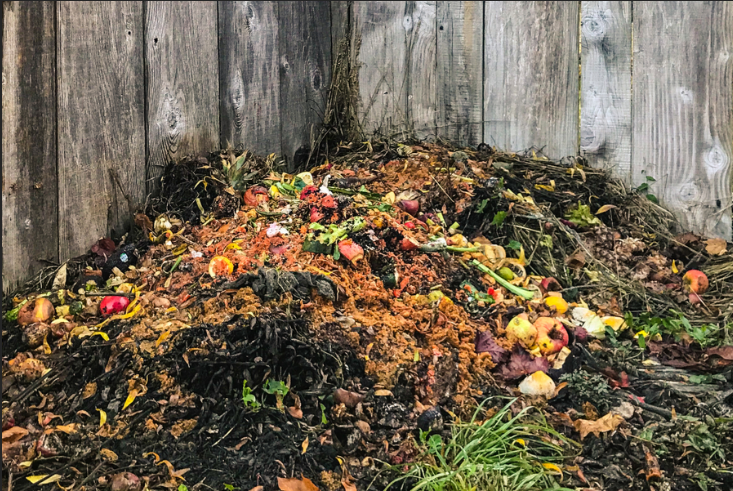
Make Your Own Compost
Transform kitchen scraps and yard waste into nutrient-rich compost. Composting not only diverts organic matter from landfills but also enriches your garden’s soil naturally. By recycling kitchen and garden waste, you close the loop on nutrient cycles and promote a sustainable, closed-system approach to gardening.
Waste Less Water
Conserving water is a fundamental aspect of sustainable gardening. Implement water-efficient practices such as drip irrigation or rainwater harvesting. Prioritize native and drought-resistant plant species that require less water, ensuring a more sustainable and resilient garden ecosystem.
Keep Learning
Sustainability in gardening is an evolving journey. Stay informed about eco-friendly practices, innovative gardening techniques, and the latest research in sustainable horticulture. Continuous learning not only enriches your gardening experience but also empowers you to make informed choices that align with environmental stewardship.

Save Your Seeds
Preserve biodiversity and reduce your reliance on commercial seed sources by saving seeds from your garden. Seed saving is a simple yet impactful practice that promotes the genetic diversity of plants, contributing to resilient and adaptable ecosystems. Share your seeds with local gardening communities to foster a culture of sustainability.
Choose Appropriate Plants
Opt for plant varieties that are well-suited to your local climate and soil conditions. Native and adapted plants are more likely to thrive, requiring less intervention in the form of water, pesticides, or fertilizers. This conscious selection contributes to the overall ecological balance of your garden.
Mulch Your Gardens
Mulching offers a myriad of benefits for sustainable gardening. It helps retain soil moisture, suppresses weeds, regulates soil temperature, and enhances overall soil health. Utilize organic mulch materials like bark, straw, or compost to create a protective layer that fosters a resilient and sustainable garden environment.
Embrace these diverse practices to cultivate a garden that not only flourishes but also contributes to the greater goal of environmental sustainability. By weaving these tips into your gardening routine, you play a vital role in fostering a greener, more eco-conscious world—one garden at a time.
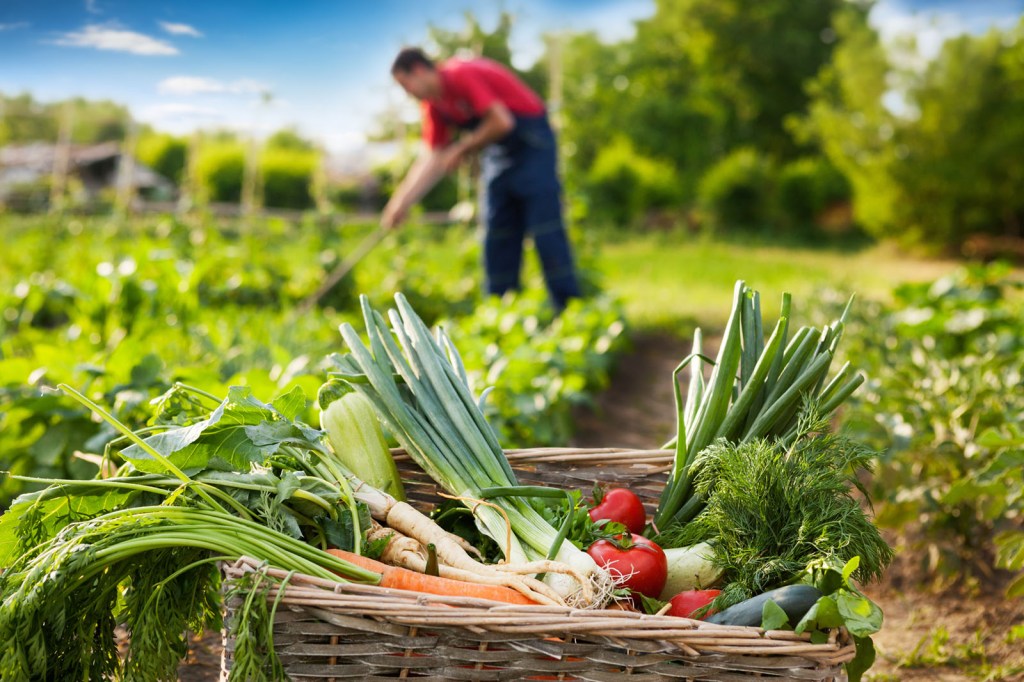
Ready to Cultivate a Sustainable Garden? Start Today!
Embark on your journey to a greener garden by incorporating these sustainable practices. Whether you’re a seasoned gardener or just starting, your efforts make a difference. Join us in fostering a community of environmentally conscious gardeners. Share your sustainable gardening tips, ask questions, or showcase your thriving eco-friendly garden in our private group: Huckleberry Farms Regenerative Living Network!
Let’s grow together, sustainably.
