


Eat Local. Live Wholesome. Cherish Traditions.
The distinction between pastured poultry and conventionally raised poultry isn’t merely about farming ethics or environmental impact; it extends prominently to nutrition. As consumers become more health-conscious, understanding the nutritional content of their food is paramount. Here, we’ll unravel the nutritional advantages of pastured poultry over their conventionally raised counterparts.
1. Omega-3 Fatty Acids
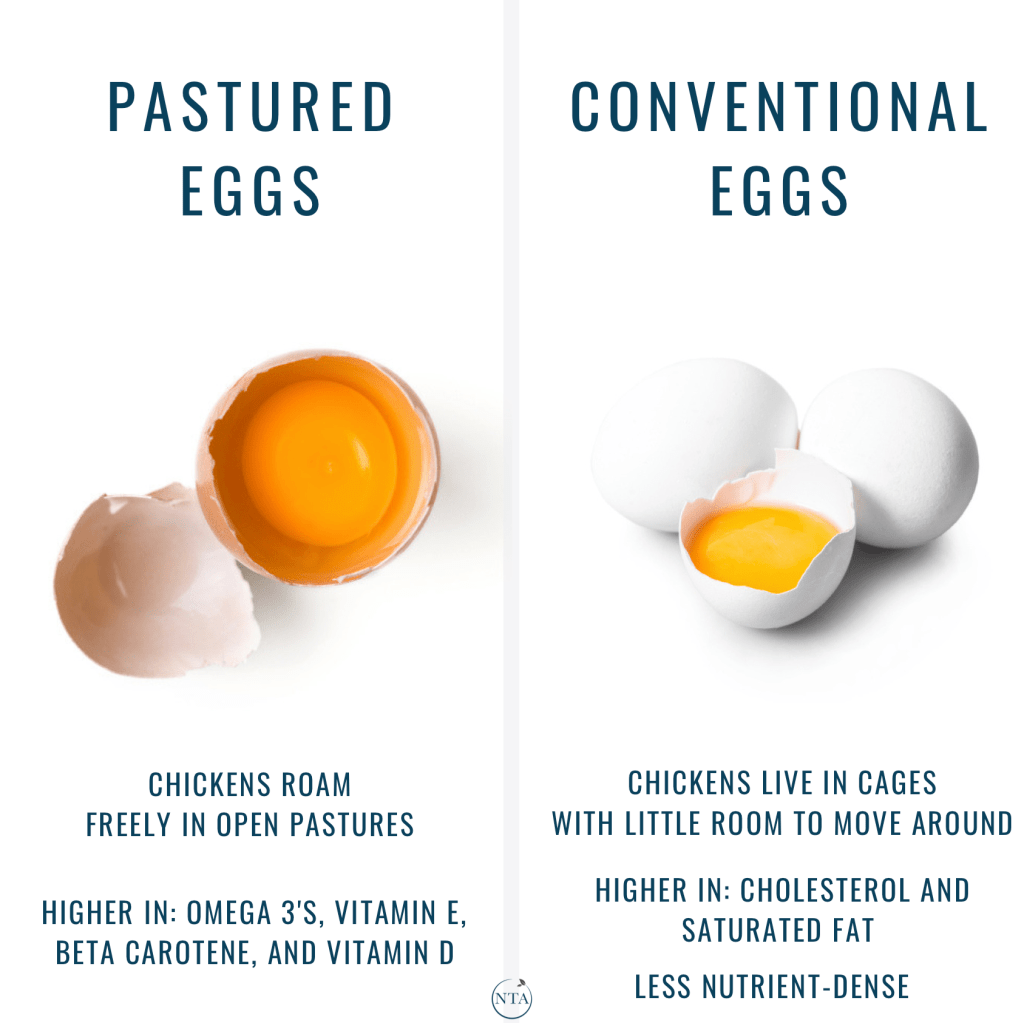
- Pastured Poultry: These birds have access to a diverse diet, which includes insects, seeds, and grass, all of which are natural sources of omega-3 fatty acids. As a result, the meat and eggs of pastured poultry often contain higher levels of these essential fats.
- Conventionally Raised: These birds typically receive a grain-based diet, which is higher in omega-6 fatty acids. While omega-6 is also essential, an imbalance (favoring omega-6 over omega-3) is prevalent in many modern diets and has been associated with various health issues.
2. Vitamins
- Pastured Poultry: Access to fresh pasture means these birds are consuming a diet rich in natural sources of vitamins. Their meat and eggs have been found to contain higher levels of vitamins A and E, and sometimes vitamin D (thanks to sunlight exposure).
- Conventionally Raised: Confined indoors and fed a less varied diet, conventionally raised birds generally have lower levels of these essential vitamins in their meat and eggs.
3. Minerals
- Pastured Poultry: The diverse diet of pasture-raised birds often translates to meat and eggs with a more balanced and higher mineral content, including selenium, zinc, and iron.
- Conventionally Raised: The limited diet of these birds may not provide the same range and balance of essential minerals.

4. Antioxidants
- Pastured Poultry: The natural diet of pastured poultry, especially the consumption of green plants, contributes to higher levels of certain antioxidants in their meat and eggs, such as lutein and zeaxanthin.
- Conventionally Raised: Lacking the dietary variety, conventionally raised poultry generally have lower antioxidant levels in their products.
5. Fat Content and Profile
- Pastured Poultry: Alongside the higher omega-3 content, pastured poultry often has a balanced fat profile with less saturated fat, thanks to their active lifestyle and varied diet.
- Conventionally Raised: These birds might have a higher overall fat content and a skewed omega-6 to omega-3 ratio due to their grain-centric diet.
6. No Antibiotics or Hormones
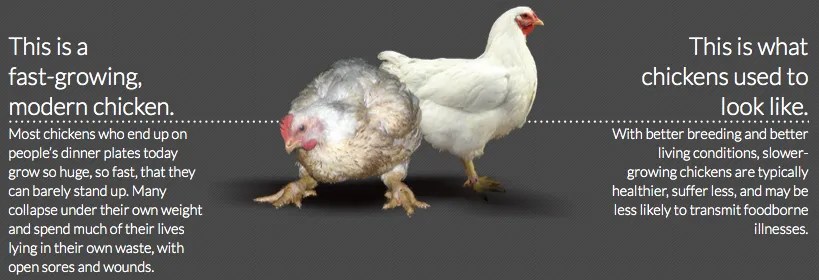
- Pastured Poultry: Many farmers raising poultry on pasture prioritize organic and natural methods, avoiding the use of antibiotics or growth hormones. This results in a cleaner, more natural product.
- Conventionally Raised: To prevent diseases in crowded conditions and accelerate growth, conventionally raised birds are often administered antibiotics and hormones.
Conclusion
The saying “You are what you eat” holds true not just for humans but also for the animals we consume. The diet and lifestyle of pastured poultry directly influence the nutritional value of their meat and eggs. Opting for pastured poultry products is not only an ethical and environmental choice but also a decision that prioritizes superior nutrition and health.
Dive into Nutritional Excellence with Us!
Hungry for a richer, healthier bite? Your food journey shouldn’t stop at just knowing; it should translate into action. Paddle over to our Shop page to stock up on the pinnacle of poultry products. Want to flap along with our poultry parade? Follow the flock on Facebook and Instagram. We bring you peeks from the pasture, clucking good recipes, and the inside scoop on all things feathered and fabulous. Join our community, and let’s champion healthier, happier meals together! 🐔🌱🍳
