
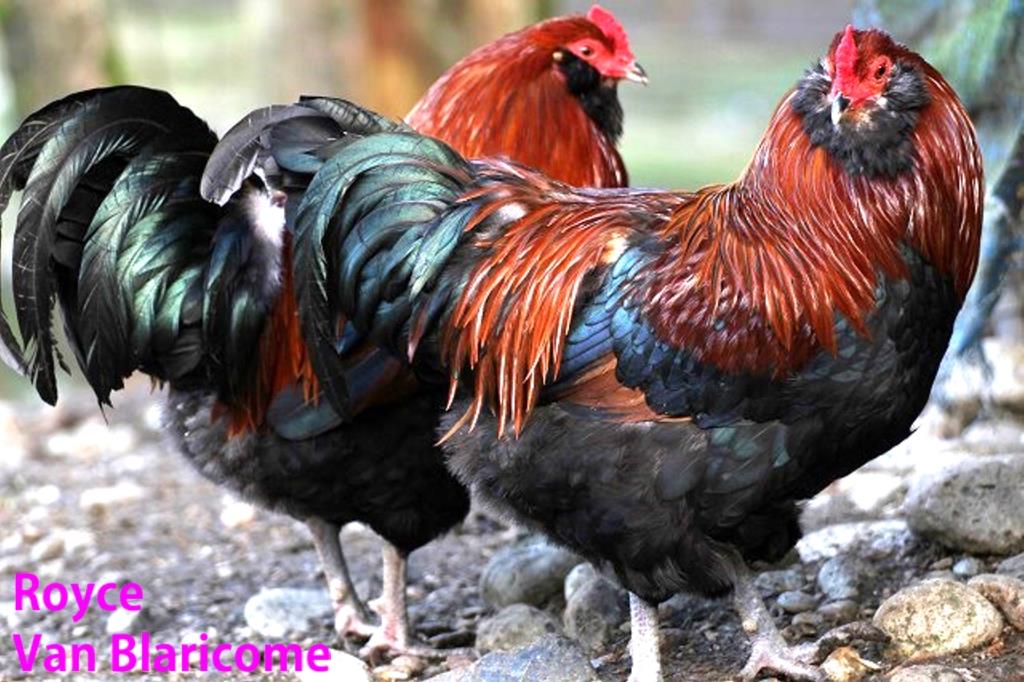
If you are looking for a gorgeous-looking bird that lays a non-traditional egg, then the Ameraucana is a breed worth considering. Coming in a variety of colors, with muffs and beards, and laying a gorgeous blue egg, Ameraucanas are a real show-stopper.
Quick Facts
Ameraucanas are known for being docile birds with a friendly and calm demeanor but are not overly cuddly. They do better when handled from an early age, but likely will never be “tame” as they are very independent. They can also be flighty birds, which is great for evading predators. They are also very good foragers and do better when they can free-range but also do well in confinement.
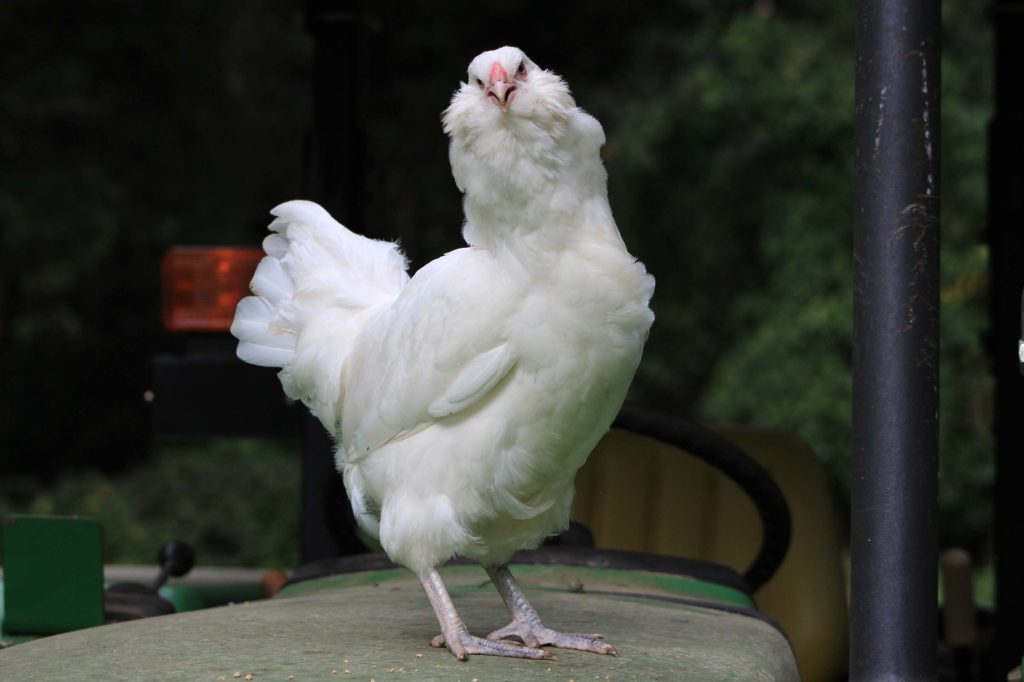
They are winter hardy birds that lay on average 150 large blue eggs per year but do tend to stop laying in the winter months. Because they take longer to reach maturity, they also will not start laying eggs until they are between 5 and 7 months old. They are not known for going broody, so not likely to hatch their own chicks. If you want to hatch chicks, you will likely need an incubator unless you have a broody hen already. (Silkies do well at hatching eggs from other, less broody breeds!)
They are not so great for raising exclusively for meat, as they take an average of 22 weeks to reach maturity. You can let them go until roughly 8 months old for more meat but at around 9 to 10 months, the meat becomes less tender. The main purpose we have found for butchering the birds is for unwanted roosters.

Physical Characteristics
While often confused with the Easter Egger (EE), a hybrid mix that can lay a variety of colored eggs, the EE is not a breed accepted by the American Poultry Association (APA) due to there being no standard to define them as a separate breed. They are merely any number of mixes of chickens that have a blue egg gene. Ameraucana was however one of the breeds used to develop today’s EE, so it’s understandable why they would often be confused, especially since EEs are also known for their blue egg gene among the variety of other colored eggs they lay and often have some of the physical characteristics of the Ameraucana. Per the APA, however, even if an EE would meet all the physical and egg characteristics of the Ameraucana, if they do not breed true at least 50% of the time, they are deemed an EE.

Ameraucanas are also frequently confused with Araucanas, one of the breeds used along with Ameraucanas to create today’s EE. The difference is that Araucanas have ear tufts (versus muffs in the Ameraucana) and do not have tails (referred to as “rumpless”). Both breeds do, however, have pea combs and lay blue eggs.
“According to the American Poultry Association (APA), the Araucana breed must be rumpless (no tail) and have ear tufts. Ear tufts are clumps of feathers growing from small tabs of skin usually found at or near the region of the ear openings. This feature is unique in the U.S. to the Araucana breed. This trait is nearly always lethal to unhatched chicks when inherited from both parents. Tufted Araucanas, therefore, are always genetically impure, i.e., they don’t breed true and will always produce a percentage of “clean-faced” offspring.

The Ameraucana breed, on the other hand, has a tail and sports muffs and beard in the facial area. These characteristics are true-breeding. Other requirements of both breeds may be found in the APA’s Standard of Perfection and in the American Bantam Association’s (ABA) Bantam Standard.”1
Breed Standard
Ameraucanas are available in both standard size (large fowl) and bantam size (miniature). The only difference between the two standards is the size of the bird. Full-grown bantams are 1.875 lbs for cocks (males) and 1.625 lbs for hens (females) whereas the large fowl are 6.5 lbs for cocks and 5.5 lbs for hens.2
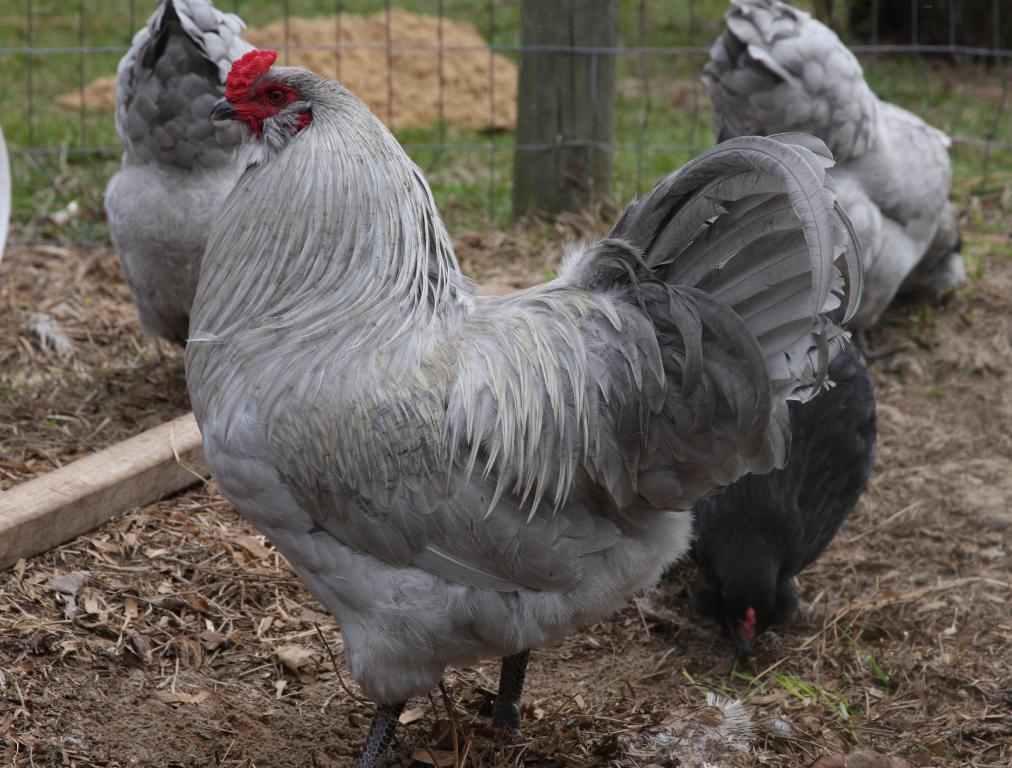
“The APA now recognizes nine varieties of large fowl: black, blue, blue wheaten, brown red, buff, self blue (1/24/2020), silver, wheaten, and white. What they call “self blue” is really the lavender variety, but the APA officers refuse to use the proper name. The lavender variety is the result of the lavender gene that was identified and termed “lavender” (lav) by poultry scientists back in 1972.”3
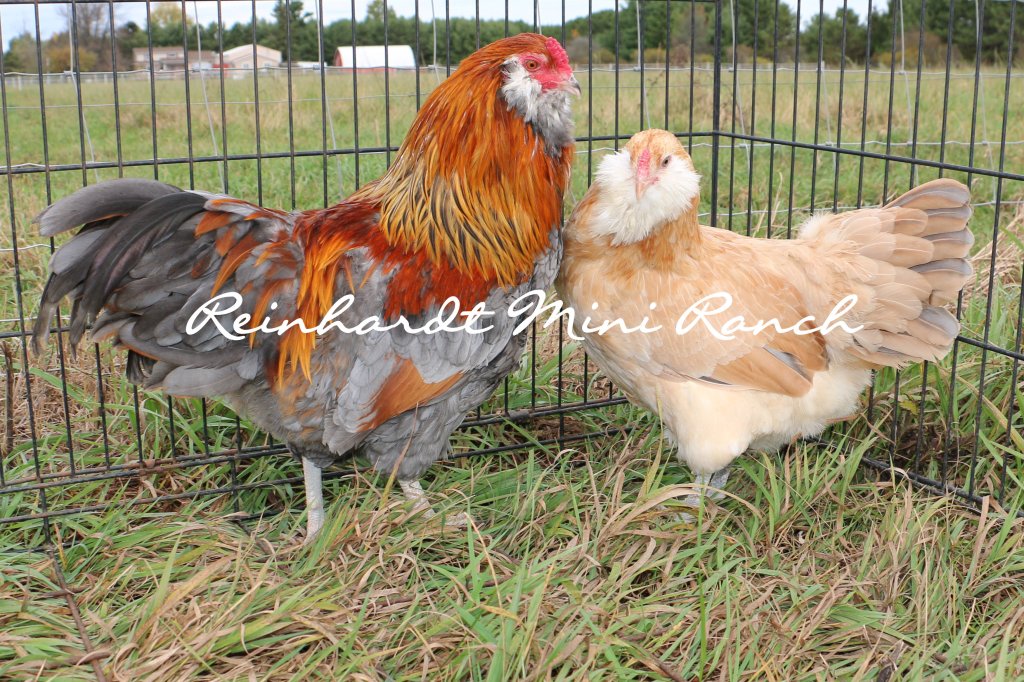
This means that any of the accepted color varieties can be shown in poultry shows, as long as they meet the APA Breed Standards. Not following the standard will disqualify them from the show.
Have you raised Ameraucanas before?
TELL US ABOUT IT IN THE COMMENTS BELOW!
Resources
- Ameraucana.org – Frequently Asked Questions about Ameraucana Chickens
- Ameraucana.org – Ameraucana Chickens
- Ameraucana.org – Ameraucana Breed “Standard”
Cluck Yeah, More Feathery Fun Awaits!
Craving more insider peeks into the chic world of chickens? Whether you’re after the lowdown on the next ‘it’ bird, the latest coop gossip, or just some wholesome farm tales, we’re your go-to. Don’t be the last hen to hear the news; wing it to Huckleberry Farms on Facebook and Instagram. Our posts promise to be as colorful and charismatic as an Ameraucana’s plumage. Stay clued in, stay sassy, and let’s ruffle some feathers together! 🐔🌾🎉

One thought on “Meet the Ameraucana: The Chicken That’s Too Cool for the Coop 🐔😎”