
When we first started the farm back in 2021, ducks weren’t even on the radar. But a family member got a hold of me and told me that a cousin had 3 ducks that she had grown tired of and her parents were looking to rehome them. So I told her that we would take them. We wound up with a Jumbo Pekin and two Black Swedish ducks.
As far as crash courses go, these three were great! They were easy to care for and other than a slight case of bumblefoot in the Pekin that was healed without surgery, they didn’t have any medical issues. When we looked into adding more ducks to the flock this year, I wanted to add a breed that we could focus on that was multi-purpose as well as friendly and would also hatch their own eggs. I was lucky enough to find a breeder close by who was working on starting a hatchery and had gotten in a little over their heads so they were selling off birds fairly cheap.
Khaki Campbells were the duck breed they had chosen to focus on and while I had originally contacted them looking for chickens, once I saw the small brown ducks, I just fell in love. A little bit of research and I was hooked. They were perfect for what we wanted.
Khaki Campbells are one of the most popular breeds for small backyard flocks and it’s no wonder why. These ducks are the ultimate multi-purpose birds! Not only are they great foragers, but they also lay an average of 300 eggs per year, are great about sitting on their own clutches so you don’t have to buy more each year, and can be raised for both meat and eggs.
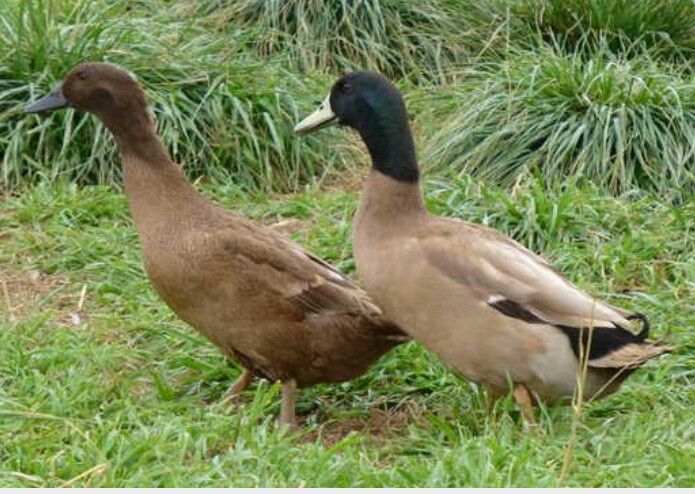
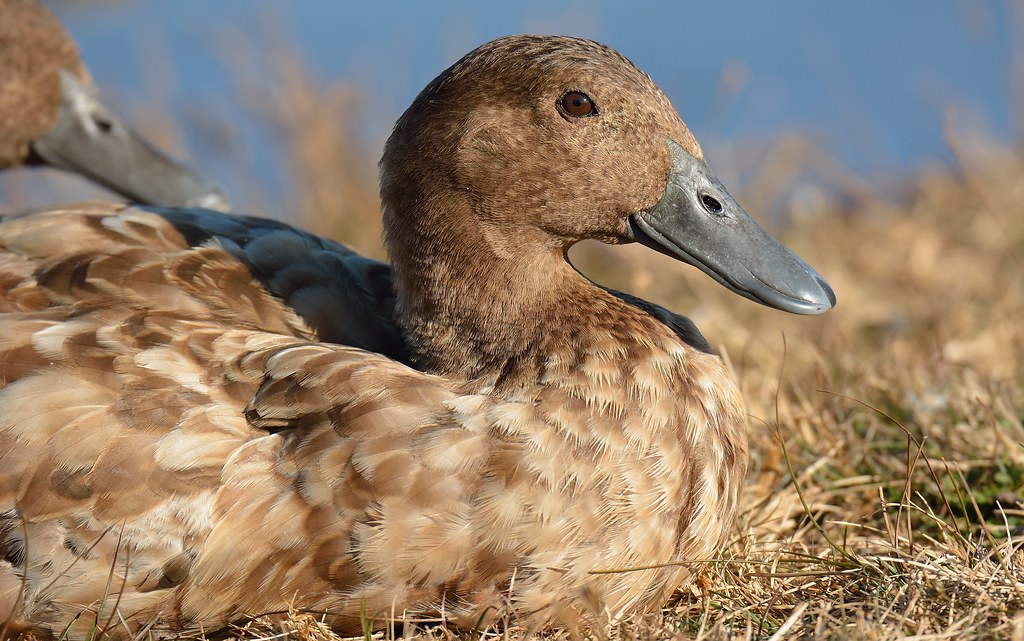
Drakes of the breed are colored very similarly to the ducks but have a darker-colored bill and heads that are dark brown that can appear green in the sunlight. The ducks of the breed are seal brown with some penciling through the feathers. They lay starting around 20 to 24 weeks if they are receiving the correct light and feed, otherwise, it will typically be the following spring. The eggs are white to off-white in color.
Khaki Campbell drakes are 5 to 6 lbs at maturity, with the ducks weighing roughly a pound less. This makes them a great option for a meat bird as well. Especially since they are a very quick-growing bird and reach market weight in as little as 8 to 10 weeks. They are also very cold-hardy so are perfect for our Indiana climates and we are less likely to lose any over the winters here. Due to their smaller size than some other breeds, they do very well in smaller habitats and are great for the backyard flock.
An excellent forager, they love spending all day out on pasture instead of inside the coop and this is definitely reflected in their eggs. Thanks to the high intake of insects, their yolks are a gorgeous orange color and higher in protein and other nutrients compared to breeds that are raised exclusively on commercial feed. This also means that their feed intake is less than some other breeds. It stands to reason that if their eggs are more nutritious due to the varied diet, their meat is as well. An added benefit to their foraging is that they are great for pest control in and out of the garden.

One of my favorite pastimes is watching the ducks play in the water. We currently only have a kiddie pool for them to swim in, but watching them dart and dive and splash is a great stress reliever. If they have access to a stocked pond, they will sometimes forage for their food while diving under the water. They are very fast and dart through the water like it’s air. They also do not need water to mate like some other breeds, as they are typically land ducks.
Our birds aren’t big on human interaction, likely because we try to not mess with them a whole lot and just let them do whatever ducks do without human intervention. However, when we do have to catch them, they are not aggressive and quickly settle down when being held. Both the drake and ducks are super sweet and will lay their head against yours while being held.
Khaki’s do mate year-round and do not hatch only in the spring. This is another thing that makes them a great breed for the backyard farm or homestead. You never know when you might go out to find your duck sitting on a clutch of eggs or find newly hatched ducklings following their momma around the yard! If you do happen to get ducks without the mothering instinct, you can use an incubator to hatch the eggs and then brood them until they are fully feathered and big enough to join the flock.
Huckleberry Farms is excited to announce that they will begin offering hatching eggs in Spring 2023 from our Khaki Campbells. If you are interested in hatching eggs, eating eggs, or started birds, please reach out to us today!!!
Have you raised Khaki Campbell ducks before?
Tell us about it in the comments below!
Don’t Duck Out Just Yet!
If you quacked up with joy reading about our Khaki Campbell darlings, there’s plenty more where that came from! Float on over and give Huckleberry Farms a follow on Facebook and Instagram. Keep your beaks in the loop with our farm tales, get first dibs on our latest offerings, and indulge in a flock-load of fun content. From feathery updates to behind-the-scenes shenanigans, we promise an egg-sperience you wouldn’t want to miss. So, flock together with our online community and let’s make waves in the farm world! 🦆🌱🎉
