
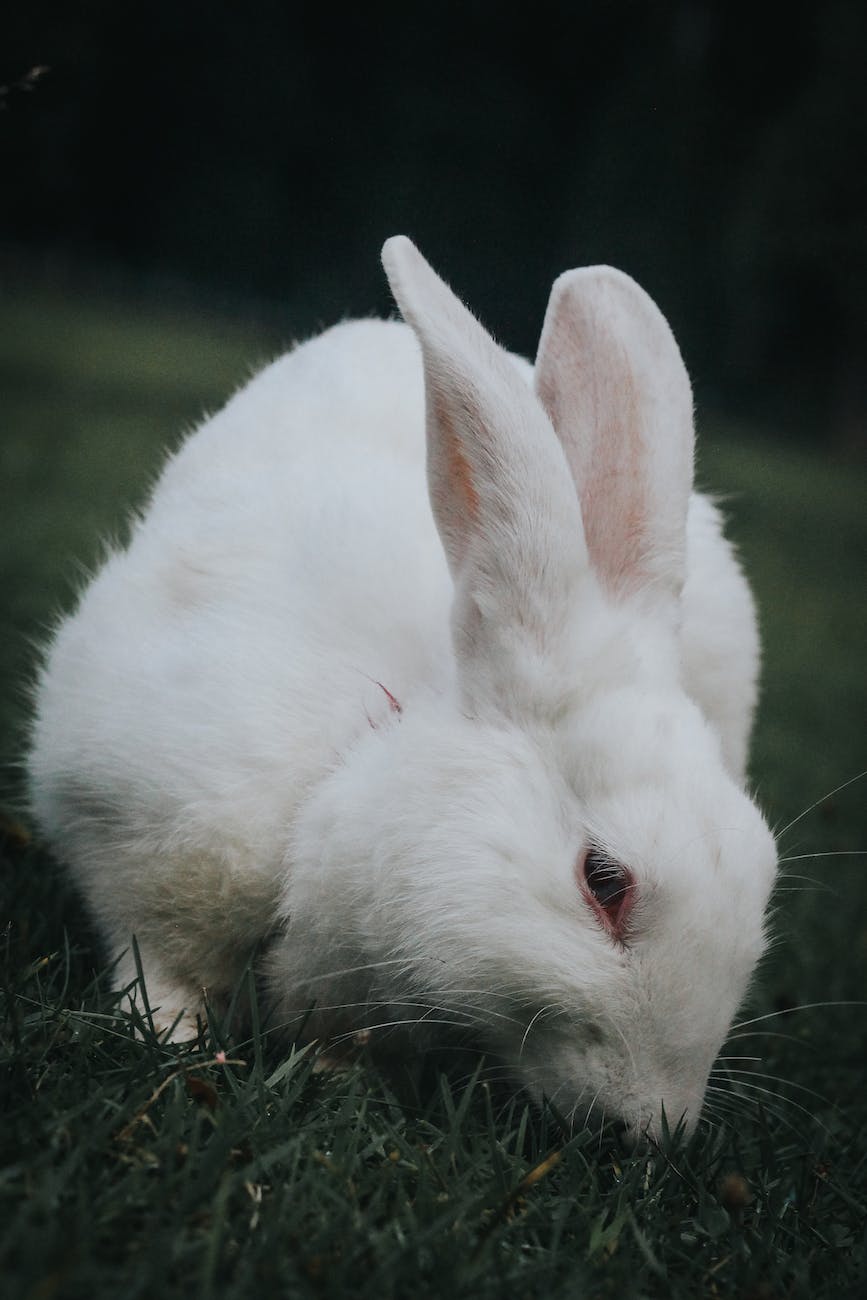
When you think of grazing livestock, most folks think of putting animals out to pasture and leaving them be except to water them or bring them into the barn. When most think of rabbits or chickens or ducks, they think of set areas like a chicken coop or rabbit hutch. Here at Huckleberry Farms, we like to think outside of the box.
Conventional grazing practices such as continuous grazing (put them to pasture and forget them) have been the norm for many years. Especially with cattle, horses, sheep, etc. And while it does seem to mimic the way these animals eat in the wild, the truth is that you’ve got them in a confined area and don’t have much control over their eating habits. Ever stepped into a chicken pen that’s nothing but dirt? What about that area in the cattle field that’s thigh-high with weeds while the rest of the field is eaten so low it’s hard to tell what plants are in it?

Continuous grazing allows the animals too much choice on what they will and won’t eat. “Continuous grazing results in selective grazing with certain areas being severely grazed, while others go underutilized. This results in depleted root systems, a decline in plant diversity, the encroachment of more grazing tolerant/increaser plant varieties, increased erosion, depleted soil, and often sub-par animal performance and returns per acre.”(1)
If this is true with large animals, we wondered why it wouldn’t also be true for small animals. If continuous grazing of a herd of cattle is detrimental to a 5-acre field, it stands to reason that continuous grazing of chickens and ducks in a smaller area would also be detrimental. Smaller animals, smaller areas but if they were the size of cattle, they’d be in a larger area with the same problems.

Enter rotational grazing. “The basic premise with rotational grazing is that it will allow the pasture plants a rest period to regrow before being grazed again. Other advantages include: placing livestock on a more even plane of nutrition as compared to continuous grazing; more drought resistance in the pasture; more total pounds of dry matter produced in a season compared to continuous grazing; and a more stable pasture botanical composition.” (2)
If these benefits could be provided with large animals, then they surely could also be provided using smaller livestock. So we thought about how we could utilize the smaller animals.

For the chickens and ducks, we built a chicken tractor. Three-quarters of the roof and sides are wire and the last quarter is covered to provide shade, protection from the rain, and a wind block. This was a great way to start but won’t work long-term due to the weight of the final product. So we will be upgrading to solar electric portable fence come spring as well as newer, lighter tractors that allow for easier movement by one person. This will allow us to move the birds every day or every other day onto fresh grass.
For the rabbits, we started using wire dog crates. These crates are the same size or bigger than their hutch cages, provide constant access to fresh greens, allow the urine and manure to be applied directly to the grass, and allow us to run the animals in sequential patterns behind or in front of the birds. In the spring, the rabbits will also be upgraded to tractors which will allow more room, more protection from the weather, and the potential to create pairs so they are not constantly alone.

Typically, the chickens and ducks will be run over an area while the rabbits are then moved over the same area about a week later. This is done for a few reasons.
Chickens and ducks rely on insects and bugs for their protein intake. Moving them over an area before the rabbits allows them to clear larvae and living insects that could potentially harm the rabbits.
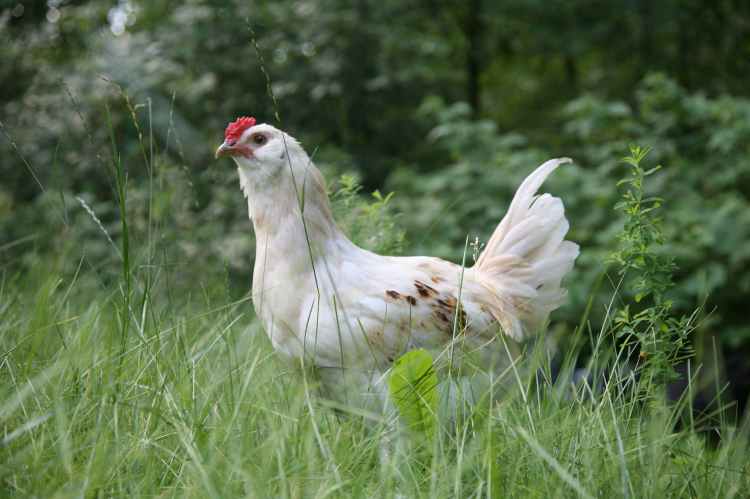
Chickens and ducks typically do not eat the grass to the root unless left too long in a contained area. “Chickens’ stomachs aren’t set up to digest low-quality food like grass, so while they may pick at a leaf here and there, they’re not going to get much out of a pure grass lawn.” (3) This means that plenty of vegetation is left behind for the rabbits. A week rest period between animals also allows the vegetation to have grown that much more, providing the rabbits with more food than if they were run through the same area the next day. Also allows the chicken and duck manure to have settled down to the soil that the rabbits aren’t competing to eat around or through it.
Chickens scratch the ground, which will allow seeds in the latent seed bank all soil possesses to then potentially germinate, increasing the diversity of the plants available in a specific pasture. Between the chicken, duck, and rabbit manure they are more likely to have the nutrients they need to grow.

Rabbits will come behind the chickens and the ducks, effectively “mowing” the grass and vegetation down. By not allowing the rabbits to take the plants to the root, there is plenty left for the plant to then regenerate with the new nutrients from the manure and urine provided by the animals, providing more nutritious vegetation through the next round.
As a general rule, chickens should not be run over the same area without a year in-between visits. This means that for us, we have to be very deliberate in our placement of the confines of their grazing areas in order to cover the entire field without re-visiting the same area twice.

Thankfully for our small flock of birds and a small herd of rabbits, this has been easily achieved. When considering rotation grazing in this way, whether you are utilizing large animals like horses and cattle or small animals like our birds and rabbits, starting with a small number is suggested. Once the forage has been improved and the soil can support more animals, you can increase the number however you may also then need to increase the frequency of movement.
While rotational grazing may not be the right management system for everyone, if you believe it could work for your land, don’t be afraid to give it a try! We are always happy to answer questions so feel free to reach out to us on Facebook or Instagram!!

Sources
